


How to stay inspired and motivated at work
How to stay inspired and motivated at work? It is not rare to have a difficult patch in your worklife, there will be tough and frustrating situations which requires some extra motivation to push through. Occasional frustration with work is normal and is a part of life. Go through our tips listed if you feel like you need a little push to maintain your inspiration and work motivation.
Stay inspired and motivated at work by setting goals and rewards
Setting certain goals or objectives at work will help you to improve the quality of your work. Setting goals will also give you immediate feedback whether the goals were met or not, bringing extra fun trying to reach the goals.
When talking about goals, we should also mention rewards. You should set up a habit to reward yourself whenever a goal is reached, or a certain task is done. This goes for the employer as well, remember to show appreciation for your employees. Happy employee is a motivated employee, which shows directly in how the company performs overall.

Make effort to distance yourself from work
It is no wonder that you lose your inspiration and motivation at work if you can’t distance yourself from it. After your workday you should do something completely different that is not related to your work at all. For example, if you work at the office and sit all day staring at the computer screen, go outside when you are done, be active no matter how tempting it would be to just stay in front of the computer after work. Vice versa, if your work requires a lot of physical effort, try to relax in your free time. Don’t go jogging or do an extreme workout right after, give your body a chance to relax. Read also our tips for balancing work and free time.

To stay inspired and motivated at work requires learning
Sometimes you might lose your motivation if you are dealing with too difficult tasks or are just too comfortable staying in your preferred comfort zone. Always ask for help if the tasks feel too overwhelming, talk to your fellow employees or boss about it and see how you can untangle the situation. Also keep learning and try to educate yourself a little at a time. When it comes to your comfort zone, step out of it, at least from time to time even just a little, because that is once again a part of life.

Be open to feedback
You might lose your motivation and inspiration if you are too set in your ways. Talk to other people and brainstorm. Let other’s new ideas inspire you which will increase your motivation as well, get a new point of view. Be open to feedback and improvement suggestions, you all are working towards a common goal in your company after all.



How to make better performing newsletters
What is a successful newsletter? When you think of the word newsletter, what is the first thing that comes to your mind? Pop-up windows that ask to subscribe or email full of daily newsletters with the same headlines? Yes, it’s safe to say that not all people like newsletters, but they still exist, because there is a demand for those who can distinguish themselves. There are indeed many fish in the sea, but you want to make sure that you get picked. That is why we wanted to dive a little deeper and find out what will make newsletters perform better.

Use social media
Not only sending your newsletter to people via email, it should also be promoted utilizing your company’s social media channels. Remember to share the link to your newsletter and call-to-action to subscribe. Social media can also be used to get to know your audience better, it will help you to create more meaningful content for your readers and prompt the interest of those who are not yet familiar with your newsletter.

Better performing newsletters are simple and minimal
We bet that there are many interesting things happening in your company and you would just love to go and shout every single great news out to the public, but think about the busy reader trying to find the time to go through all your topics that might not even be interesting enough for them. So clean and simple is the way to go, you don’t want to drown your readers too much.
Consistent but unique
When you order something, you would most likely like to know what the product is about. Same goes with newsletters, in most cases keeping the content consistent will attract the best audience just for you and also keep them interested in your content in the future, since they know what is coming. Just add a little twist, to keep the content fun. Speaking of interesting and fun, to make better performing newsletters make sure that your main title varies in each newsletter. The more unique and eye-catching the title is, the more likely your post will be clicked.

Visual style of better performing newsletters
Aside from content itself, a simple and clean style can also be applied to the visual side of the newsletter. Think about the contrast of the colors, the text should be easily seen and read. The images should be high-quality images that reflect the content, they shouldn’t be just random stock photos.

Summary for better performing newsletters is consistent, fun and readable content with a spice of engaging titles and high-quality relevant images. You can always use your imagination to try out different things and find what works best for your company.

Signs of top-notch customer service
There is no business without customers and keeping good relations with them is vital for every company. Word-of-mouth advertising should not be underestimated, it affects your brand for better or worse. The brand of a company is built on how customers see it, not from how the company sees itself. A top-notch customer service covers how to provide the best possible customer experience.
Product knowledge inside and out
One essential point of delivering good service is the knowledge of the product. Think about someone trying to sell you something they know nothing about. That does not give a very good impression now, does it? Make sure your employees know the business, and what they are selling, to provide a better experience for the customer. Motivate employees to get to know the business and services more by arranging workshops or weekly meetings. After all, employees are the ones who represent your brand.

Step in the customer’s shoes
When you are presenting your products or services to the customer, they don’t want to hear what you do, they are interested in how they will benefit from your service. The best customer service highlights what you really can offer to their business in terms of value. When thinking about value, pricing the service right is one key point. Also make sure that the product or service is what you describe it to be.
Try seeing things from the customer’s point of view, listen to them carefully and together try to find just the right solution for them. You want to keep your clients happy and make them also want to come back. Treat your clients kindly and don’t talk down to them, no matter how hard the situation is. Don’t forget, communication is the key!

Keep the schedule in mind
A good customer experience involves good planning, so before your team storms into a new project make sure that the scheduling is done properly. Dividing tasks into smaller sprints gives everyone a better overview of what is going on and what is going to happen next. Deliver the project in time, you don’t want to make your client wait for too long. In case your company’s internal communication needs improvement, we already got you covered. Go check our post for tips onhow to make your company’s internal communication work.
Keep also communicating with your customers, be reachable and give updates how the project is progressing and provide them material along the way to get the feedback. Make the desired changes to meet the expectations, but bear in mind the budget, schedule and if the changes are possible overall. You are the expert of your field and the client doesn’t always know the best practices of how things are supposed to be done. It is your job to provide the correct information needed to keep the project on track.

Believe in client questionnaires
After you finish a project, send a satisfaction survey to the client to get immediate feedback. This ensures that you are going in the right direction with your customer service and helps to improve your business. You can utilize the given feedback to promote your brand and services.

Interact with your clients through social media
Last but not least, using social media effectively is a part of delivering good customer service. Publish content what targets your desired audience, what might answer their burning questions and get them motivated to contact you. Choose the right platforms for you and try to keep them active and be responsive in the comments.

The subjects on this post are only the tip of the iceberg but will help you create a more meaningful relationship with your customers.


What does Augmented Reality (AR) mean and what is an AR experience?
Augmented reality, best known as AR, is more common than you think.
You’ve probably tried it at least once without noticing, because AR has been one of the rising trends in technology since 2017! The most common examples of AR are the Snapchat and Instagram face filters that most of us have tried at least once.
If you feel like you aren't familiar with it yet don’t worry, as we’ve put together a short and helpful explanation of what augmented reality (AR) is, how it works, and how it differs from virtual reality (VR); and most importantly, how your business or school can benefit from AR technology!
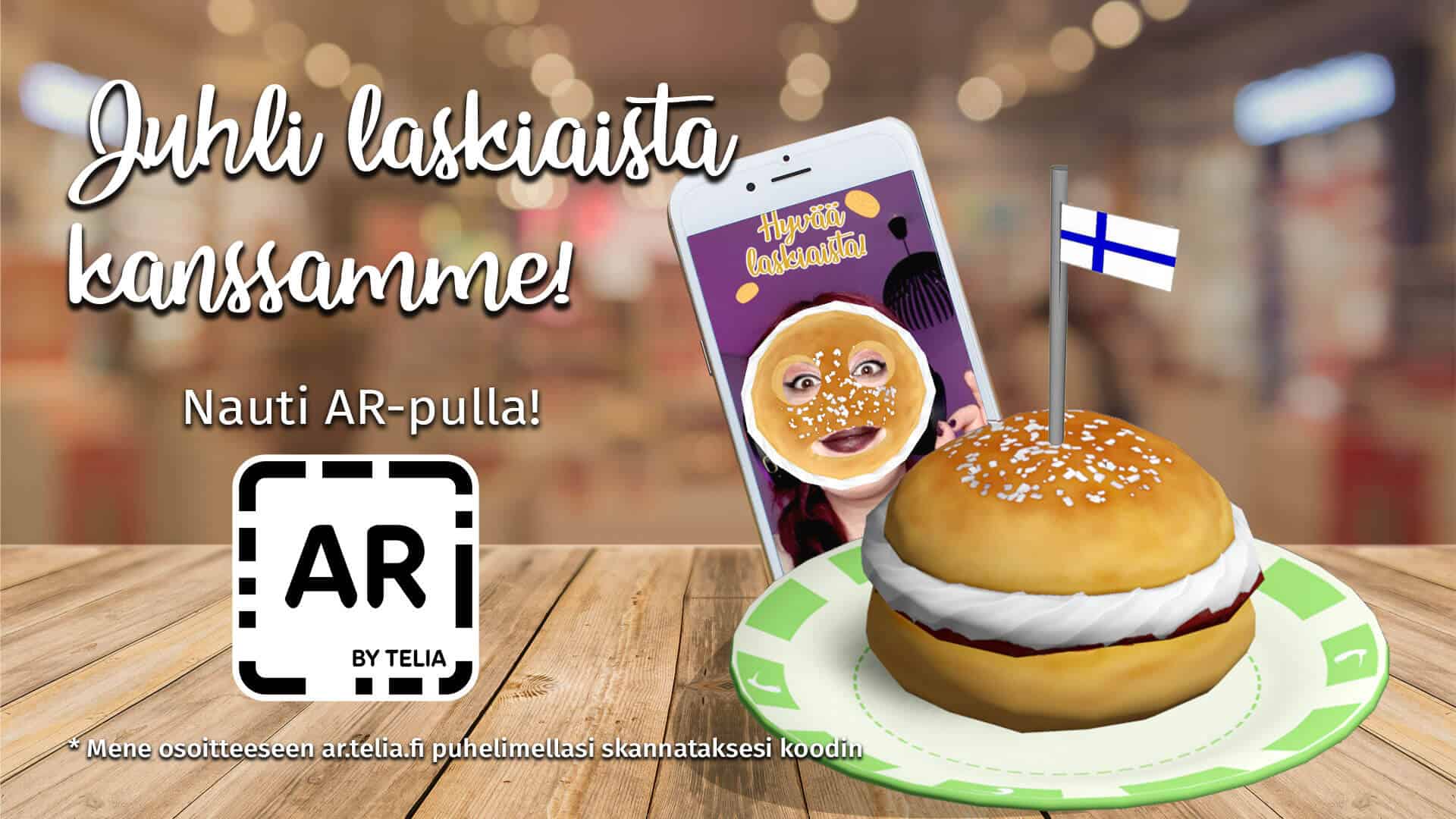
What does augmented reality (AR) mean?
AR is short for Augmented Reality which is the software technology that expands our physical world by adding digital items into it. Unlike Virtual Reality (VR), it does not create a whole new digital world but integrates digitally created content into our existing environment.
You can directly see the augmented reality in action in an existing environment, such as a digital dragon flying in your living room. Unlike virtual reality (VR), you can access augmented reality (AR) content without wearing an headset. AR can be displayed on various devices: screens, glasses, handheld devices, head-mounted displays and mobile phones – which makes it accessible for almost anyone, anywhere as long as there is a mobile device.
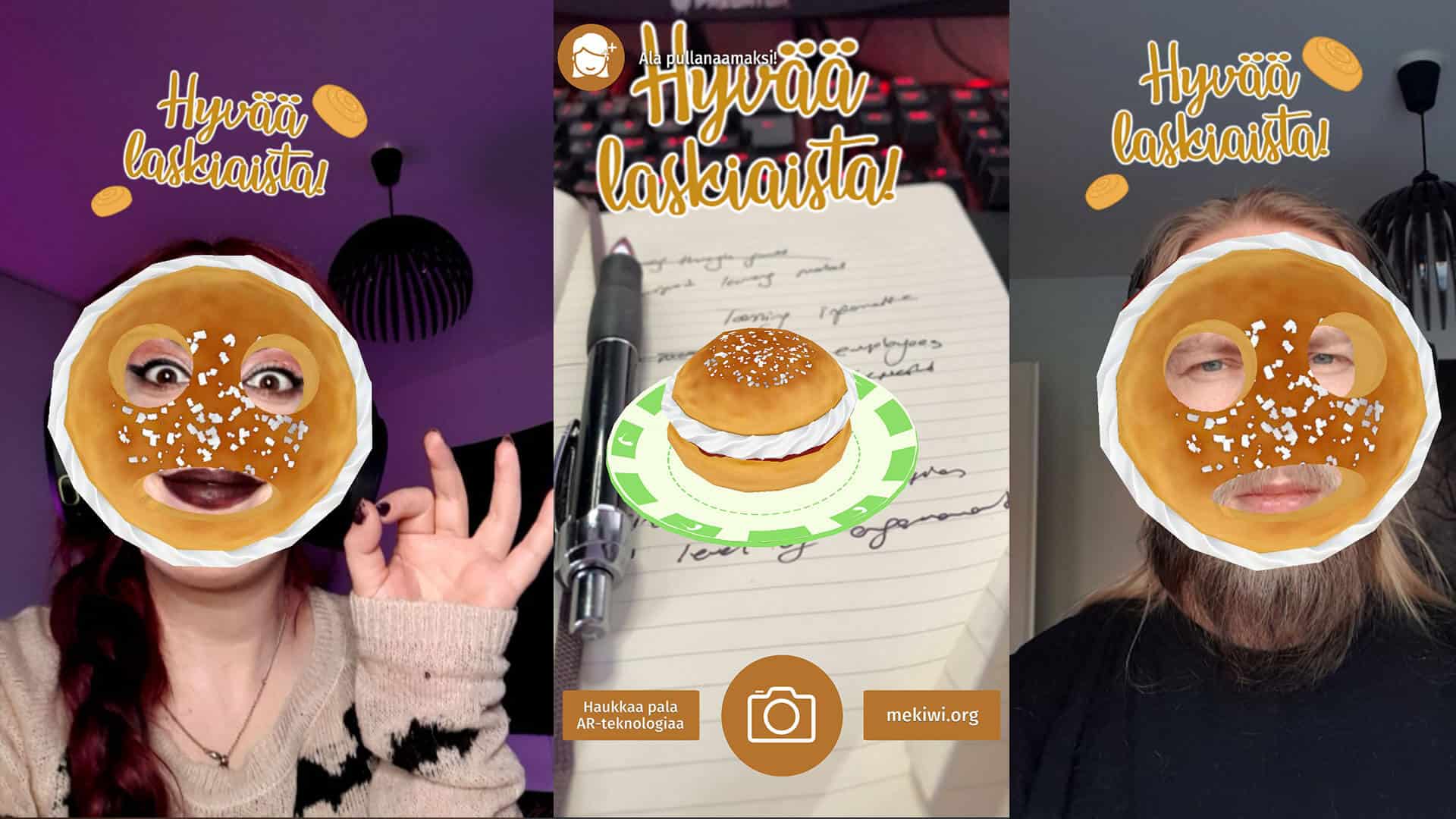
What's the difference between VR and AR?
Augmented Reality (AR) is a technology that brings and connects computer-generated, 3D-designed objects to your real world. Virtual reality (VR) consists of a fully computer-generated virtual world where the user can experience a completely immersive virtual experience.
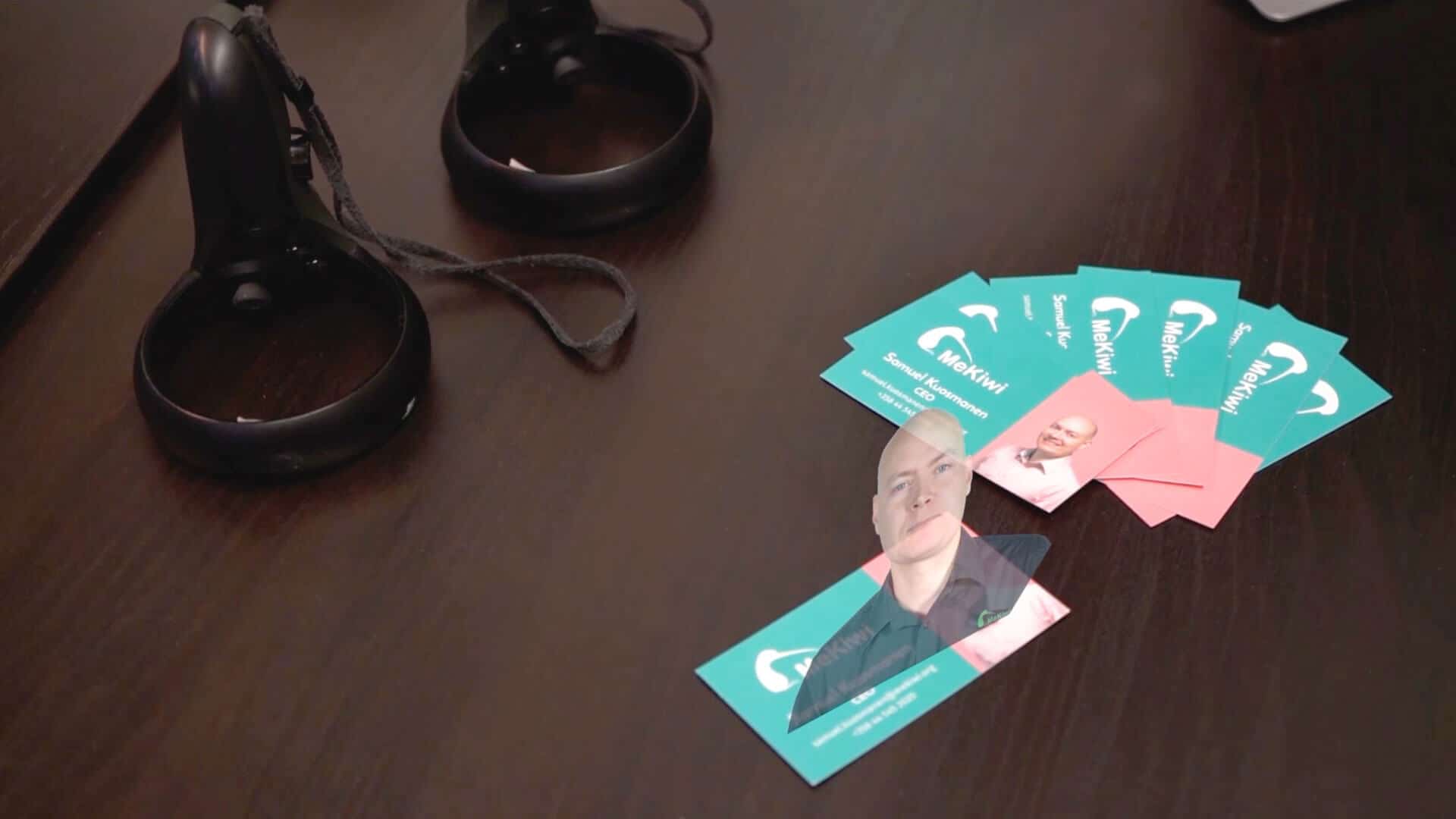
Is Augmented Reality (AR) really the future?
No, it is the present and the future. We all use augmented reality one way or another. All the face filters you can use with your phone are part of the augmented reality. When you buy a new sofa from an online store and you can test what it would look like in your living room, that is also augmented reality.
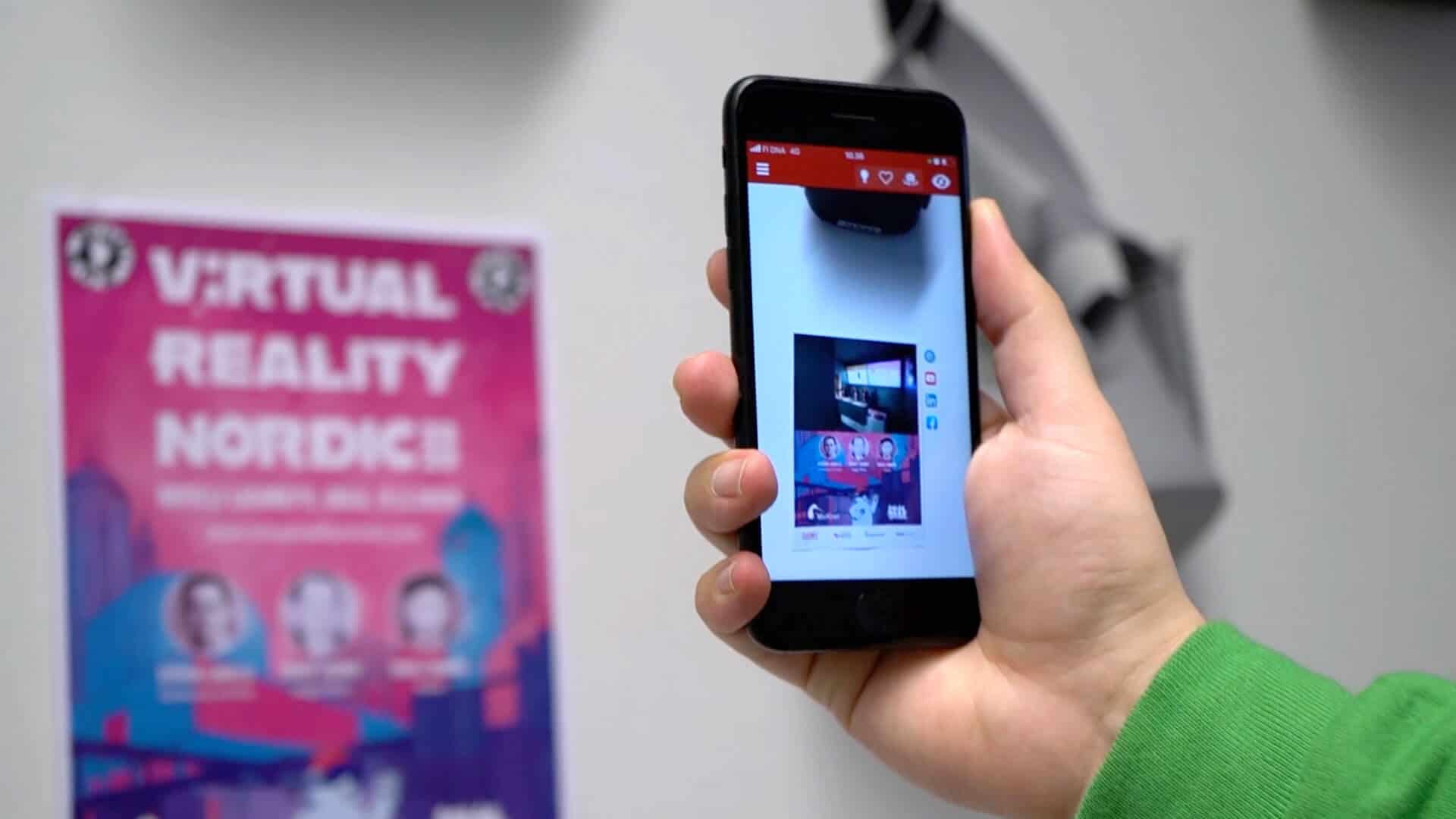
How Can I Use Augmented Reality (AR) In my Business?
Thanks to its compatibility and ability to run on mobile devices, you can integrate AR virtually anywhere in your business. The biggest advantage is that you do not necessarily need to download a separate app, WebAR works directly in your browser. The consumer clicks a button or goes to your website to start the AR experience.
Examples of how to use AR:
- Product catalogs: Digital or printed product catalogs. With augmented reality, consumers can place your product digitally in their own environment and check them with 3D models.
- Storytelling: Want to tell the story of your 200-year-old restaurant? Or maybe the tale of a medieval town? You can bring your story to life by creating interactive augmented reality content and lead the reader on this journey. Augmented reality makes cultural experiences unique and memorable.
- Online stores: With the touch of a button, users can place 3D models of products on the kitchen table, watch product videos or ask questions.
- Events: Create digitally interactive event posters that allow visitors to experience augmented reality using their phone’s camera.
- Tourism: useful information on destinations, sightseeing attractions, navigation, and directions.
- Buildings: Provide visitors with information and digital content, directions and promotional materials. Can be utilized, for example, in hospitals, shopping malls and stadiums.
- Product brochures: Offer product information, troubleshooting assistance and pre-purchase experience through augmented reality (AR) applications.
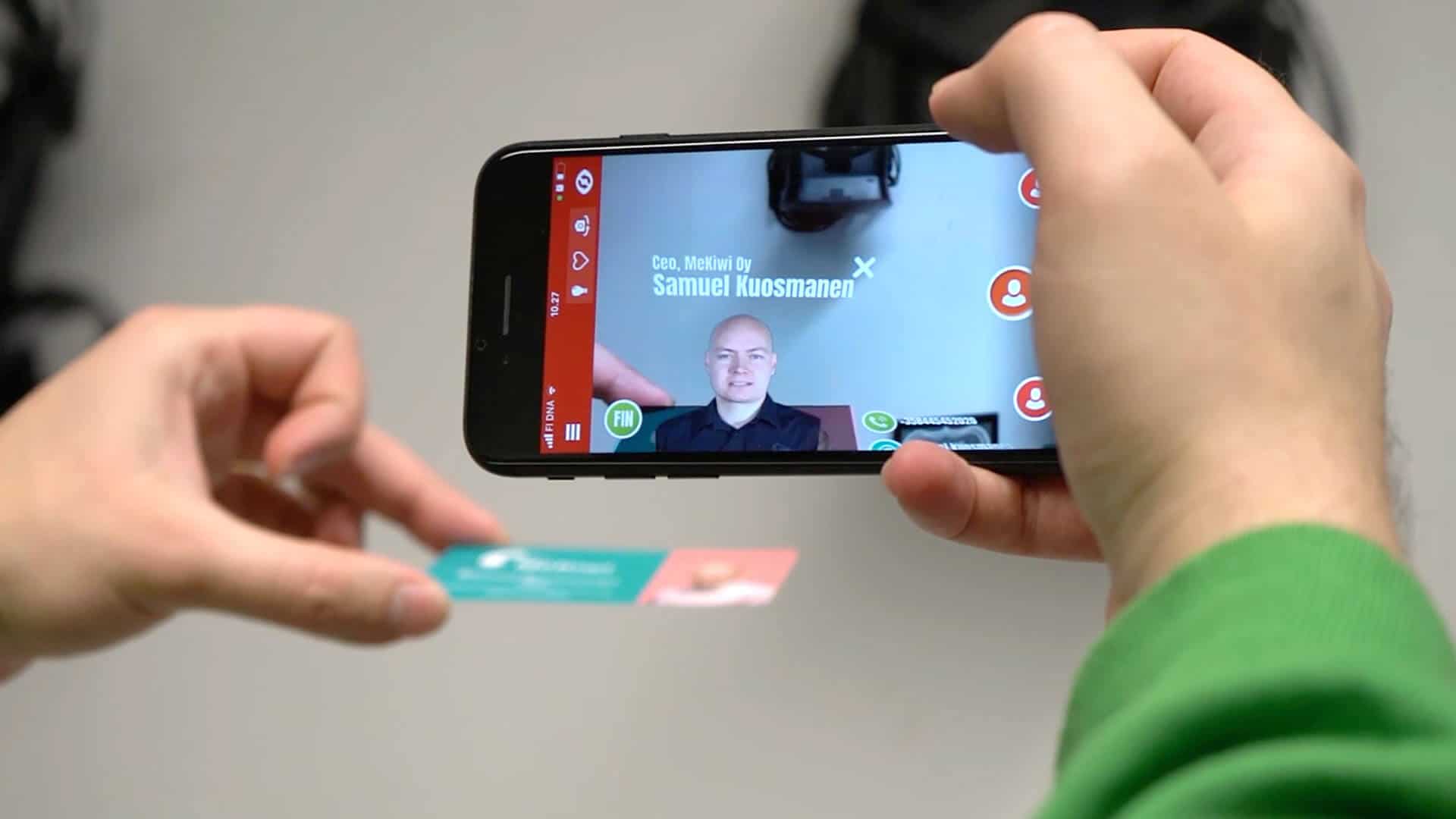
MeKiwi can help you design and implement interactive, memorable and relevant augmented reality (AR) experiences that add value to your brand. Augmented reality solutions allow brands to improve their visibility, build loyalty, engage and increase sales as needed.
Need ideas on how to use AR technology for your business?
Contact our AR expert, tai soita 0447510096.

Best practises for internal communication from a trainee's perspective
Best practices for internal communication
Hello! My name is Elina. I am the Sales & Marketing trainee at MeKiwi and the guest writer of MeKiwiNews blog post series. This article is my mid-term review and I concentrated mostly on the company’s internal communication and what are the best practices from a trainee’s point of view.
I am a student at Oulu University of Applied Sciences, studying information technology. I am very close to graduation, all that remains is to complete my internship so I decided to apply for an internship at MeKiwi and here I am!
I was quite nervous before my internship, but that is normal, right? I certainly think it is nerve-wrecking for anyone who steps into a whole new place amid new people and into a new role. As an introverted person, at the beginning I thought will I get my voice heard or will I keep up with the conversation in meetings, but I feel like I have got the chance to proceed at my own pace. Now I also have a bit more courage to bring out my own ideas, but there is still room for improvement.
I had some time to participate in dozens of meetings and observe what kind of challenges are waiting for me in the future and how I can get the best out of it.
So here are some best practises for internal communication that I have learned from my observations as an intern:
- Good planning will be rewarded
It can often be that more effort is invested in communication between the company and the client than within the company. However, communication within the company is just as important. It is good to spend time on planning internal communication, even if at times it may feel like there is not enough resources.
The company’s internal communication includes any types of communication that happens inside a company, meetings and channels and how they are taken care of. Common channels and meeting schedules must be agreed with everybody to avoid misconceptions.
- All members should trust each other
If disagreements or conflicts were to happen, it is good to remain patient and everyone must be willing to solve the problem. Blaming others does not contribute to the progress of the project, first and foremost, a common solution must be found, and as a result, members must be satisfied with the solution decided together. In a good team, everyone participates in the discussion and takes care of their own station.
- People should be less afraid of conflicts and address possible problems directly
Everyone needs to be aware of common goals, future events, and possible changes in the projects and within the company. Don’t keep information hidden from others. Team members should be given space to speak and share their opinions without others knocking the ideas down immediately.
- It is important that everyone has all the recent information
The company has common goals, and well-functioning communication helps to motivate employees and helps to achieve these goals. Make sure that everyone is updated with the latest news, current & upcoming services /products, events etc.
- “We make things happen” attitude is a game changer!
At MeKiwi, things are approached through a positive attitude and everyone has a certain “we make things happen” -attitude. First it may look like overconfidence, but coworkers give encouraging feedback to each other and do not let the issue go under the rug until everyone in the team knows their roles and takes responsibilities to solve the issue!
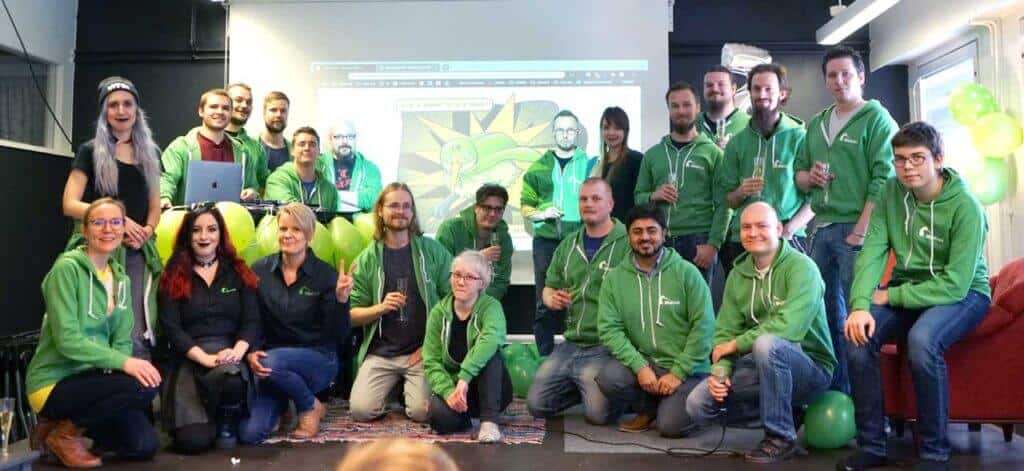
I hope you find these tips useful. I am looking forward to writing my next article before the end of my internship, in which I will summarize more comprehensively what I have been doing and how I felt...
Merry Christmas and happy new year!
The Intern Kiwi

MeKiwi raised 400 000€ funding for the development of the virtual reality unit
The goal is to develop Finland's largest VR game and grow the B2B VR business
MeKiwi, an Oulu-based digital agency and developer and publisher of virtual reality games, or VR games, recently raised 400 000€ funding to grow their VR business. The goal is to start developing the largest VR game made so far with domestic work and to strengthen the B2B business of the virtual reality unit.
One of the major investors of the total funding of 400 000€ was a Finnish family company Rela Invest Oy. Joonas Pöllä, CEO of the investment company, commented: “The reason we invested in MeKiwi was due to their excellent success with the release of the first VR game. We believe that virtual reality is the next big thing in technology, and the MeKiwi team convinced us with their expertise”. The funding will strengthen MeKiwi's virtual reality unit and VR game production together with the VR game publishing business.

MeKiwi's publishing studio VRKiwi is responsible for developing Finland's largest VR game. Cave Digger 2: Dig Harder, is expected to arrive on the largest digital distribution platform for PC games on Steam next year as a so-called Early Access version. The game will later be published on PlayStation and Oculus Quest, which Facebook bought.
The game is a sequel to MeKiwi's first VR game, Cave Digger, which also has a flat screen game version for players without VR devices. To date, Cave Digger games have sold nearly 50 000 units, which is a respectable number in the still relatively small VR game market of the 2018-19. Now the growth will be pursued with a product whose design focuses on the new generation of VR headsets. “Last year, the first fully wireless standalone device, the Oculus Quest, was launched, which the user no longer needs to plug into anything,” says Jani Kaipainen, MeKiwi's Director of VR Production. "This made the price of the system more than half as cheap as previous computer plus VR headset systems."

“With the release of Oculus Quest, there has been a clear increase in the total number of users of the devices. In 2019, about 4.3 million new headsets were delivered (excluding VR devices for mobile use),according to reports from trend following agencies, and this year the Covid-19 situation has also increased demand for VR devices,” Jani Kaipainen continues.
“Maybe it is because people are looking for new ways to spend time at home and they then decide to try VR headsets, now that their approachability has improved significantly with Quest. In addition, Facebook recently released a new second-generation Quest (Oculus Quest 2)that improves on its predecessor in every area.”
The company has also said that they already have the first two release agreements agreed with two international VR game studios. “The VR market in general and from our point of view looks better than ever before in my work history,” concludes Jani Kaipainen.
More information:
Jani Kaipainen, VR Producer

Tips for remote conferences
In the current global situation, remote conferences and fairs have begun to grow in popularity, bringing new challenges to company’s sales representatives.
Connection problems and staring at the screen can seem numbing and people can easily distract themselves with news or by browsing social media, reducing effective participation. We decided to share with you a few tricks that our VR Account Manager Aatu Numminen collected to make the most out of this new way of networking.

Focus on your goals - Just like at a traditional fair, the most important thing for a productive day is clear goals. Looking for leads or to find new perspectives? Plan your day accordingly! If you’re working with your colleagues, sharing tasks will help a lot.
Lead Hunting - Most remote conferences use chats as part of presentations, giving companies the opportunity to discuss the topic. “It’s easy to move such conversations to LinkedIn, for example, and making networking happen naturally.”

Multiverse - Remote fairs can let you participate to multiple talks at the same time on the speakers’ “ virtual stages ”. This lets you network with more people in one day. The most important thing is to find the limit of your own focus so you can keep up with all the conversations.
Endurance - During a computer-based conference there's a risk of forgetting to eat or take breaks. Focusing intensely on a screen can also start to feel heavy. "Personally, I have solved the problem by increasing the volume of the conversations, so I can easily follow them even during a break."
Couldn't make it to the Virtual Reality Nordic 2020 Event? Here's the summary of what happened during the day
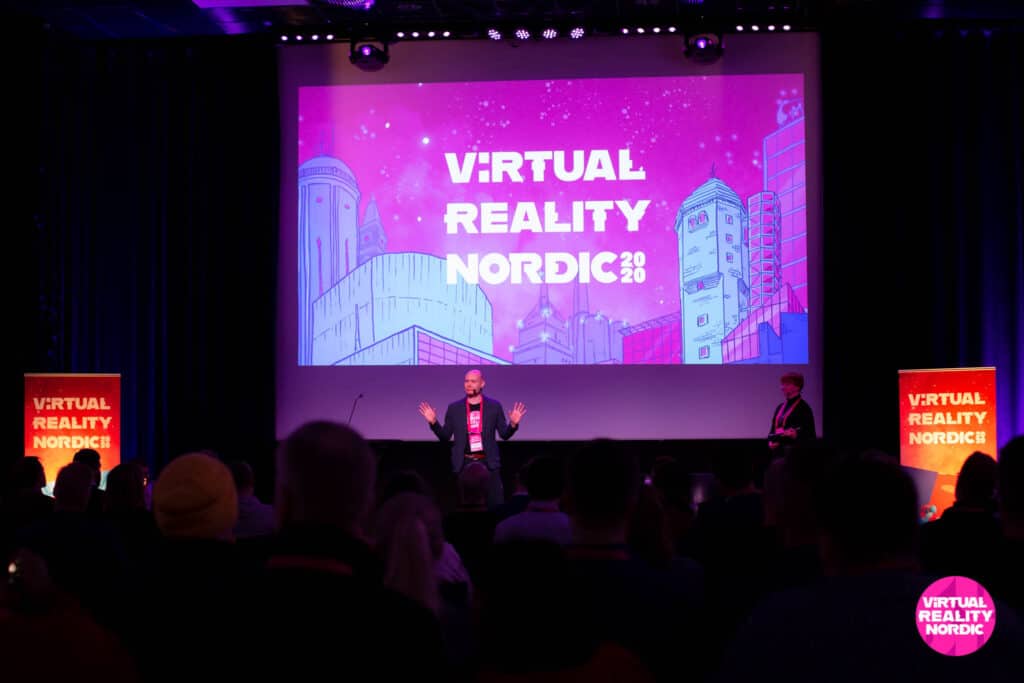
The Virtual Reality Nordic 2020 event organised in Oulu by MeKiwi Oy gathered nearly one hundred and fifty business representatives interested in the possibilities of VR technology and a number of industry experts.
The main venue of the event was the Aurora hall of the Hotel Lasaretti and the most enthusiastic guests had arrived well in advance. Samuel Kuosmanen, CEO of Mekiwi Oy, started the event with a welcome speech. After that, the energetic and charismatic Niina Karvinen took over as the event's host Niina is a business developer and influencer based in the Oulu region. Karvinen describes herself as an enthusiast who wants to help others succeed. In addition to her energy, many networking pods with a variety of services were used to make the day more enjoyable and create a special atmosphere for the whole event.

Virtual reality as a training environment
The first speaker of the day was Kim Härköki from Varjo Technologies Oy, who opened up the potential of VR technology, especially from a healthcare perspective. In healthcare, virtual reality is particularly used as an educational environment. Härkönen showed how surgeons practice complex and challenging open surgeries using virtual reality. The presentation highlighted the importance of changing the world by working together and using modern technology.
After Härkönen, there was the first keynote speaker of the day. Sami Heinonen from Zoan, who calls himself XR Evangelist, highlighted the added value of virtual reality across different business areas. Heinonen's presentation included many visually impressive demos and he convinced the audience of the potential of XR technologies.
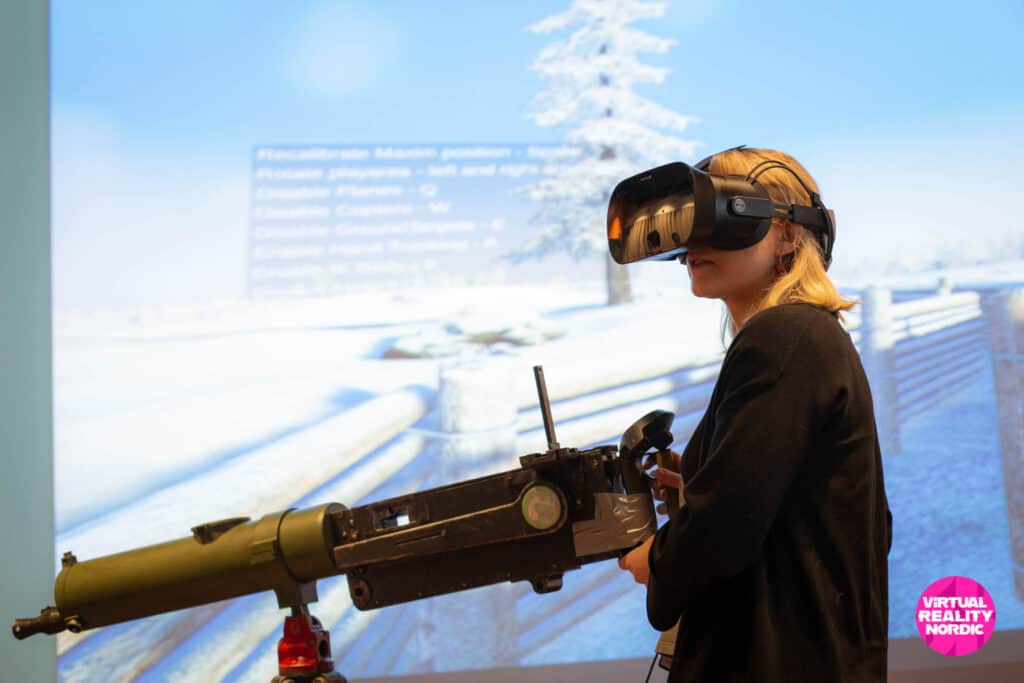
After a networking break, Pekka Ouli from the vocational school of North Central Finlandtook the stage. He told the audience about advanced digital learning environments and how virtual reality enables completely new dimensions in learning. After Ouli, the stage was taken over by Jonas Rajanto (Grape People Finland). Rajanto gave an in-depth presentation on the benefits of VR technology for distance learning. Remote virtual meetings are similar to face-to-face meetings. Among other things, they make it easier to assess the emotional states of the participants and thus lead to more genuine interaction. The highlight of Rajanto's presentation was definitely the live demo, in which he was joined by a few brave visitors to the event. The demo was a great demonstration of how the virtual meeting increased the cohesion and focus of the participants on the topic at hand.
After a rich buffet lunch and networking, the programme continued in the Aurora hall. Tommi Teronen from Teatime Research gave a presentation on solutions for the cultural and entertainment sector. Iikka Finning from Nokia explained how they use VR technology in research and Orkun Ceylan from 3D Talo presented a VR solution in use at Ponsse. Before the second keynote speaker of the day, Jani Kaipainen, founder of MeKiwi, speculated on the future of artificial intelligence with its opportunities and threats. In the afternoon, there was also the opportunity to participate in workshops organised by Oulu University of Applied Sciences in connection with the VIRTU project. The workshops explored Teatime Research's immersive cultural experiences and Glue's virtual reality platform that allows users to collaborate remotely.
Addressing future challenges
The final speaker of the day before the panel discussion was the second keynote speaker of the event, who many in the audience had specifically gathered to listen to. Steven LaValle from the University of Oulu, a pioneer in virtual reality and robotics, did not disappoint this time either. He summed up the essentials nicely. LaValle sees the key to success as a constant desire to learn and the ability to accept critical feedback. Solving the challenges of the future requires cooperation. Bold testing of ideas and openness will take us step by step forward, LaValle concluded. The Virtual Reality Nordic event ended with an interesting panel discussion, led by the usual moderator, Karvinen. The panel included Kim Härkönen from Varjo, Begum Dogan from MeKiwi, Natasha Skult from MiTale and Steven LaValle from the University of Oulu.
The wonderful day included a wealth of VR-related case studies from the business world. Visitors also had the opportunity to try out the latest VR solutions in the form of demos provided by exhibitors. The day also included interesting workshops to solve practical challenges using virtual reality.
The presentations at the event showed that VR technology has come a long way and the use cases have diversified. It is clear thatvirtual reality is here to stay. It continues to grow in popularity and there is no reason to doubt that it will continue to grow as technology advances and the price of virtual glasses falls. Virtual Reality Nordic 2020 demonstrated with practical examples how VR technology brings many benefits as a design tool, an educational environment, a marketing enabler and an enabler of remote viewing.

Creating innovation together
In November, MeKiwi participated in the Innovation Bootcamp in Pokhara, Nepal, which aimed to create new innovations for local needs. The event was organised by the Tribhuvan University (Institute of Engineering) in cooperation with the Nepal Go Association, an association founded in Oulu to promote education and employment in Nepal. The project was funded by the Gandaki provincial administration, and Mukti Paudel from Nepgo ry was the project leader for both countries.

Nepgo ry invited Finnish companies to participate in the event to mentor students and solve challenges together. MeKiwi was excited by the idea and decided to participate. From Finland came also Raimo Korhonen from KeepLoop, Kimmo Paajanen from OAMK and two guest lecturers, Janne Korhonen, PhD consultant from Aalto University and Anu-Maria Laitinen, knowledge management consultant.
The five-day event took place on the Paschimanchal campus. In addition to the invited companies, the event was attended by around 30 students and experienced local mentors, each with extensive knowledge of the issues at hand.
Challenges and ceremonies
The event started with a formal welcome ceremony on campus in honour of the guests. The mayor of the city and a local minister were also invited. During the ceremony, the guests were given flowers and were dressed in colourful Nepali headdresses. The morning was full of celebrations, as was the evening of the last day of the event.
The Bootcamp itself started with six different challenges to which the university students had to develop a solution together with representatives of companies. MeKiw was tasked to create a report on the level of digitalisation in Nepal, both on the business and education side. In addition to the report, the team looked at how to get parents more involved in their children's studies. As a solution, a "Wilma" type service, which we are also familiar with, was proposed. The mayor immediately agreed to pilot-test 10 schools, but full commercialisation of the service is a prerequisite for real implementation.

Again next year?
Samuel Kuosmanen, CEO of MeKiwi, was very pleased with the quality of the event. MeKiwi's goal for this trip was to identify business opportunities, build a network and identify local expertise. All these elements were implemented beyond expectations.
"I would definitely go again, as long as the trip is well planned in terms of purpose and appointments. It took a surprisingly long time to travel, but an international airport is being built in Pokhara, which will speed up travel in the future," Samuel summed up when asked if he would go again.
About Nepal
Nepal is a poor developing country surrounded by mountains, where more than 50% of the population lives on less than a dollar a day. Although people come from very simple backgrounds, they are very welcoming. The mountains have kept trade very limited with countries such as India and China. Recently, there has been a wake-up call on this issue and there is now a strong push for change. Tourism has played its part in boosting development and growth prospects are already looking bright. This will also create new opportunities, for example for Finnish educational exports and other cooperation. Now is therefore a very good time to invest in Nepal.

Selling one thing is the first step to sell another
There are many steps involved in developing a good digital product. Organizing user testing and collecting user data are important stages that should be handled properly. Good networks help with this, too.
Cooperation produces better innovations. A technological collaboration in particular helps the likelihood of a small business succeeding in innovation. Still, some studies show that small firms have fewer innovation cooperation than large firms.
Earlier this year, we published a blog about how the principles of open innovation have benefited MeKiw’s development and growth. As we have been asked a lot about this topic, we will publish a series of three blogs where we explain on a practical level how we implement innovation cooperation.
Previously we have covered the search for a business opportunity and the stage of project implementation. In this part, we'll talk about the collaborations in the user testing and publishing phases.
Each development team is blind to their own work
Product testing already starts in the project phase, which we described in the previous part of this blog series. Testing of all digital products must be carried out in many stages and in different ways. There is no known public, continuously available service for user testing, but by being active and staying informed, opportunities may arise. Participation in the Edudigi project enabled MeKiwi to test the VR game in Oulu's Tietomaa. However, most of the testing is organised in-house. You need networks for that too.
"Influencers are important contacts with ordinary consumers," says Begum Dogan.
Influencers are used to reach active players, but you also want people with no previous gaming experience to become testers. The flaws in the game are found because they do not know how to adapt to them.
Each development team is blind to its own game and can't see its weaknesses", points out Begum Dogan.
In addition to reaching testers, other contacts are needed. A third party brings its vision and ideas to the collaboration. It gives a perspective on things when you can easily be too focused to notice.
The gaming marketing company Kuvion complements MeKiwi's marketing team. Kuvion is deeply integrated in the marketing of Cave Digger, a game published by MeKiwi on VR platforms. "In this partnership, everyone is in charge," says Begum Dogan. "The friends at Kuvion take care of VR Cave Digger as if it was their own".
Wishing for a B2B meeting place in Oulu
An important channel for MeKiwi to get feedback on the released product has been the export trips organised by BusinessOulu to key markets in the games industry. While showcasing a published product, it also lays the groundwork for new projects. Developing a game for the international consumer market builds internal expertise and networks that also benefit the domestic market.
"Aatu Numminen, VR and B2B Customer Relationship Manager at MeKiwi, expects the opening of the BusinessAsema in Hallituskatu to create a positive environment for cooperation. ”I hope it will be a B2B meeting place, similar to what the Pelikampus is for the companies in the gaming sector"
"I like the pop-up idea. I could very well go there to present our VR entertainment games production," Numminen envisions. "People might well come up with new ideas. Then it's just a matter of planning how to implement them."
Research background
MeKiwi was one of the companies surveyed in a study conducted as part of the Innovation Alliance's Accelerating Operations project, which also included a master's thesis entitled “The Innovation Process of a Startup Company in a Regional Innovation Cluster”. The key finding of the study was that start-ups can benefit from the regional innovation ecosystem at all stages of their innovation process, both by using innovation support services and by establishing meaningful networking relationships. The study divided the innovation process into three stages according to the customer-driven Design Thinking innovation process model. In this series of three blogs, we describe how we implemented the principles of open innovation in line with these three stages.
Sources:
- Brown, T. (2009). Change by design: How design thinking can transform organizations and inspires innovation. New York (N.Y.): HarperBusiness.
- Chesbrough H. (2003) The era of open innovation. MIT Sloan Management Review; 44:35–41
- Crossan, M & Apaydin, M. (2010). A Multi-Dimensional Framework of Organizational Innovation: A Systematic Review of the Literature. Journal of Management Studies, 47(6), 1154–1191.
- Freel, M. S. (2005). Patterns of Innovation and Skills in Small Firms. Technovation, 25(2), 123–134.
- Nieto, M. J. (2010). Technological Collaboration: Bridging the Innovation Gap between Small and Large Firms. Journal of Small Business Management, 48(1), 44–69.
- Parida, V., Westerberg, M. ja Frishammar, J. (2012). Inbound Open Innovation Activities in High-Tech SMEs: The Impact on Innovation Performance. Journal of Small Business Management 2012 50(2), 283–309.
- Rogers, M. (2004). Networks, Firm Size and Innovation. Small Business Economics, 22, 141–153.
- Sydänmaanlakka, P. (2009). Jatkuva uudistuminen: Luovuuden ja innovatiivisuuden johtaminen.Hämeenlinna. Talentum Media Oy. 293 s.